Paramedic Airway Management Review (Intubation & RSI)
A paramedic-level review of airway management, endotracheal intubation, RSI pharmacology, and confirmation — with common mistakes and a study plan for the NREMT.
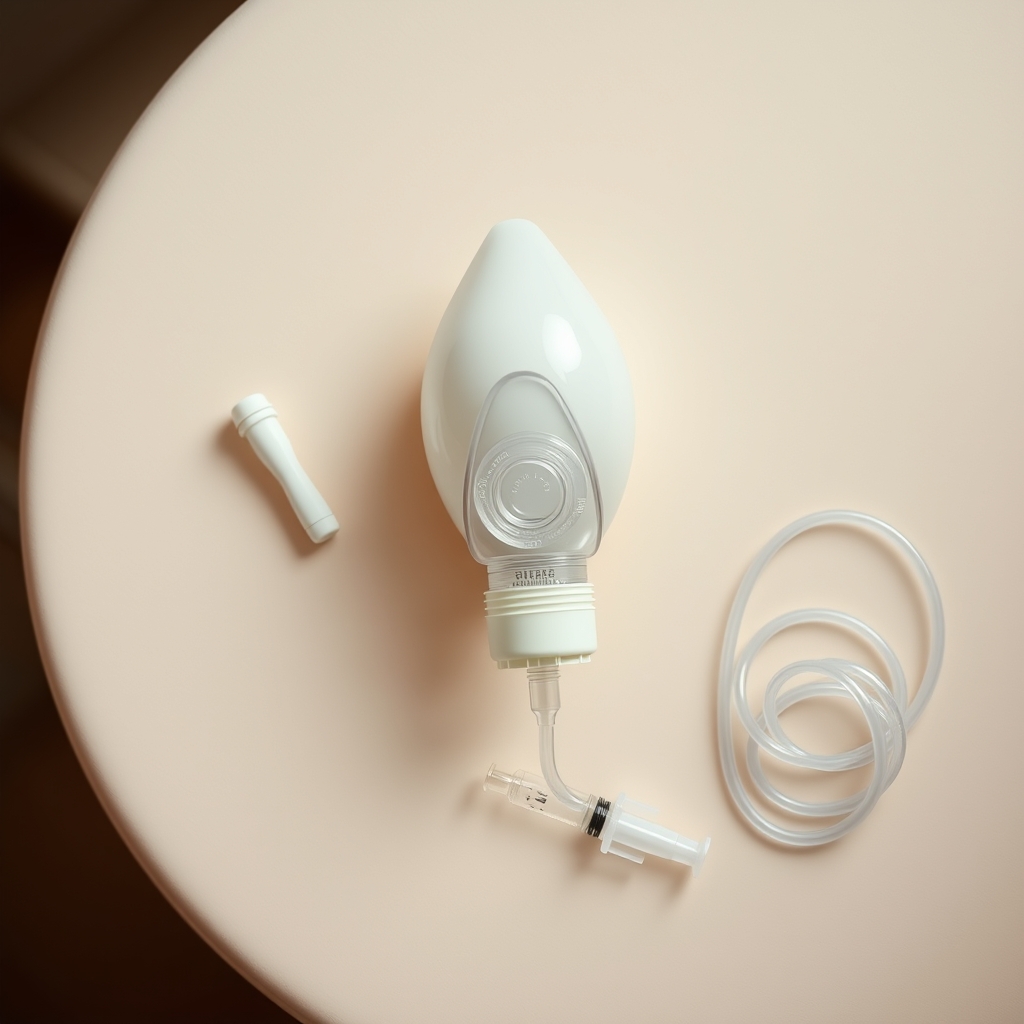
Paramedic airway management centers on one principle: oxygenation and ventilation come before any tube. Endotracheal intubation is a definitive airway skill, but it sits at the top of a stepwise approach that starts with positioning, basic adjuncts, and effective bag-valve-mask (BVM) ventilation. Rapid sequence intubation (RSI) adds sedation and paralysis to create optimal intubating conditions, but it is only safe when you have pre-planned your first attempt, your confirmation, and your rescue path.
This review walks through the airway algorithm, laryngoscopy technique, RSI pharmacology concepts, confirmation standards, and the failed-airway plan — the way the NREMT and most modern EMS systems expect you to think. Always practice to your local protocol and medical direction; scope and specific drugs vary by system.
The stepwise airway approach
Every airway decision answers two questions: Is the patient oxygenating? and Is the patient ventilating? If the answer is yes with simple measures, you often don't need to escalate. The algorithm climbs only as far as the patient requires.
- Positioning first. Sniffing position for most adults; ear-to-sternal-notch alignment is especially valuable in obese patients. Pad under the head or shoulders as needed.
- Basic adjuncts. Oropharyngeal airway (OPA) for the unconscious patient without a gag reflex; nasopharyngeal airway (NPA) when a gag is present or in trismus. Avoid the NPA in suspected basilar skull fracture per most protocols.
- BVM ventilation. The most important airway skill you own. Two-rescuer technique with a good mask seal beats a poorly placed tube every time. Ventilate at an appropriate rate — roughly 10 breaths/min in most adults — and watch for chest rise, not excessive volume.
- Supraglottic airways (SGA). i-gel, King LT, or LMA-type devices are fast, high-success rescue and primary airways. Many systems now favor SGAs first in cardiac arrest to minimize interruptions in compressions.
- Endotracheal intubation. Reserved for patients who need a definitive, protected airway and when you can do it without compromising oxygenation.
Think of each rung as reversible. If an intubation attempt fails, you drop back to BVM or an SGA — you never abandon oxygenation to chase a tube.
Preoxygenation and the DOPE/LEMON mindset
Before any advanced attempt, preoxygenate. Use a non-rebreather or BVM with high-flow oxygen for several minutes to build an oxygen reservoir and buy apneic time. Apneic oxygenation — nasal cannula at high flow left running during the attempt — can extend the safe window in appropriate patients.
Use LEMON to predict a difficult airway:
- Look externally (facial trauma, short neck, large tongue, beard)
- Evaluate 3-3-2 (mouth opening, hyoid-to-chin, floor-of-mouth-to-thyroid)
- Mallampati (visibility of posterior pharynx)
- Obstruction/obesity
- Neck mobility
For the deteriorating intubated or BVM patient, DOPE troubleshoots sudden decompensation:
- Displacement of the tube (right mainstem or esophageal)
- Obstruction (secretions, kink, blood)
- Pneumothorax
- Equipment failure (disconnected circuit, empty oxygen)
Memorizing these mnemonics is useful, but the goal is to internalize the habit of predicting trouble before you commit.
Laryngoscopy and intubation technique
Successful intubation is mostly setup. Suction on and within reach, tube and backup tube sizes selected, stylet shaped, syringe for the cuff, and your confirmation device ready. Have a bougie staged — it rescues the grade-3 view that would otherwise become a failed attempt.
Direct vs. video laryngoscopy. Video laryngoscopy (VL) generally improves first-pass success and glottic visualization, particularly for less experienced operators and difficult airways. Direct laryngoscopy (DL) remains a required skill because equipment fails and batteries die. Many services carry both.
| Element | Direct laryngoscopy | Video laryngoscopy |
|---|---|---|
| View | Line of sight to the cords | Screen view, better glottic exposure |
| First-pass success | Operator-dependent | Often higher, esp. difficult airways |
| Best for | Clear airway, backup when VL fails | Anterior airway, limited mobility, trauma |
| Pitfall | Grade-3 views, lever on teeth | Blood/secretions obscure the lens |
Key technique points: sweep the tongue left, identify the epiglottis, place a curved (Mac) blade tip in the vallecula and lift along the handle axis, or lift the epiglottis directly with a straight (Miller) blade. Lift toward the ceiling corner of the room — do not pry back against the teeth. Visualize the tube passing between the cords; never push a tube you didn't see go through.
Limit each attempt to a defined time and oxygen-saturation floor. If the saturation falls below your threshold or the attempt exceeds ~30 seconds, stop, reoxygenate with the BVM, and reassess before trying again.
RSI pharmacology concepts
RSI pairs a sedative/induction agent with a neuromuscular blocking agent (NMBA) to rapidly produce unconsciousness and paralysis for a single optimized attempt. RSI is a high-risk, protocol-driven procedure; specific drugs, doses, and even whether RSI is in your scope depend entirely on your medical director. This section reviews concepts, not doses.
Induction agents commonly discussed in EMS include etomidate (hemodynamically stable, brief), ketamine (bronchodilation and preserved blood pressure, useful in reactive airways and shock), and midazolam. Choice is driven by the patient's hemodynamics and comorbidities.
Neuromuscular blockers fall into two classes:
- Depolarizing — succinylcholine: fast onset, short duration, but contraindicated in hyperkalemia risk (burns, crush, chronic neuromuscular disease, prolonged immobilization).
- Non-depolarizing — rocuronium, vecuronium: longer duration, no hyperkalemia concern, but the patient stays paralyzed longer if the airway fails.
| Consideration | Succinylcholine | Rocuronium |
|---|---|---|
| Class | Depolarizing | Non-depolarizing |
| Onset | Very fast | Fast |
| Duration | Short | Long |
| Key caution | Hyperkalemia risk | Prolonged paralysis if can't intubate |
Critical principle: if you paralyze, you own the airway. A paralyzed patient cannot breathe or protect their airway, so you must have a working rescue plan (SGA, BVM, surgical cricothyrotomy) before you push the drug. Post-intubation, provide ongoing sedation and analgesia — a paralyzed patient may still be awake and in pain.
Confirming placement and ongoing monitoring
Tube confirmation is not optional and is heavily tested. The gold standard for confirming and continuously monitoring endotracheal tube placement is waveform capnography (EtCO2). A sustained, normal-shaped waveform over several breaths confirms placement in the trachea; a flat waveform in a perfusing patient strongly suggests esophageal placement.
Confirm with multiple methods:
- Direct visualization of the tube through the cords
- Continuous waveform capnography (primary ongoing confirmation)
- Bilateral breath sounds and absent epigastric sounds
- Chest rise, misting in the tube, improving saturation
- Secure the tube and reconfirm after every move
Remember that in cardiac arrest, low or absent EtCO2 can reflect poor perfusion rather than a misplaced tube — interpret in context, and a rising EtCO2 may be your earliest sign of return of spontaneous circulation.
Common mistakes
- Skipping preoxygenation and desaturating during the attempt. Build the reservoir first.
- Poor BVM technique. A one-handed, leaky mask seal undermines everything. Use two-rescuer technique and adjuncts.
- Task fixation on the tube while the saturation crashes. Oxygenation beats intubation — drop back to BVM/SGA.
- Prying against the teeth instead of lifting along the handle axis, producing a poor view and dental trauma.
- Hyperventilation after intubation, which drops cerebral perfusion and worsens arrest outcomes. Ventilate at the recommended rate.
- Paralyzing without a rescue plan, or forgetting post-intubation sedation.
- Confirming once and never rechecking. Reconfirm after every patient move with capnography.
- Not having a bougie or backup device staged before the first attempt.
Study plan / next steps
Airway questions on the paramedic exam reward candidates who think in algorithms, not isolated facts. Build your review in layers:
- Diagnose your weak areas. Take the free NREMT diagnostic quiz — a one-time, 20-question, batch-graded assessment that highlights where your airway and management gaps sit before you invest study hours.
- Rebuild the algorithm. Draw the stepwise approach from memory daily until positioning → adjuncts → BVM → SGA → ETT → failed-airway is automatic.
- Drill pharmacology concepts — induction vs. paralytic, depolarizing vs. non-depolarizing, and the "if you paralyze, you own it" rule.
- Practice targeted questions with full rationales using the study tools on the features page, so each missed item teaches you why.
- Zoom out to the whole exam blueprint with our paramedic NREMT study guide, then choose a plan that fits your timeline on the pricing page.
Review the current national standards directly from the sources below, and always align your practice with your service's protocols and medical direction.
Scope note: This article is educational NREMT exam-prep, not medical advice or a protocol. Follow your local guidelines, scope of practice, and medical director.
Frequently Asked Questions
Is RSI within the paramedic scope of practice?
It depends on your system. RSI is an advanced, protocol-driven skill that some paramedic services perform under medical direction and others do not. Know your local scope, the specific agents your service carries, and never perform RSI without authorization and a rescue plan in place.
What is the best way to confirm endotracheal tube placement?
Continuous waveform capnography (EtCO2) is the gold standard for confirming and monitoring placement. Combine it with direct visualization of the tube passing the cords, bilateral breath sounds, absent epigastric sounds, and chest rise, then reconfirm after every patient move.
Should I use a supraglottic airway or intubate in cardiac arrest?
Many modern EMS systems favor supraglottic airways first in cardiac arrest because they are fast and minimize interruptions in chest compressions. Endotracheal intubation remains appropriate when it can be done without compromising high-quality CPR. Follow your local protocol.
What's the difference between succinylcholine and rocuronium?
Succinylcholine is a depolarizing blocker with very fast onset and short duration but carries hyperkalemia risk in certain patients. Rocuronium is non-depolarizing with longer duration and no hyperkalemia concern, meaning the patient stays paralyzed longer if the airway fails. Agent choice follows your protocol.
How long should a single intubation attempt last?
Limit attempts to a defined time, commonly about 30 seconds, and set an oxygen-saturation floor. If the saturation drops below your threshold or the attempt runs long, stop, reoxygenate with the BVM, and reassess before trying again.
Related Articles

Paramedic Clinical Judgment Scenarios for the NREMT

Paramedic Med Math: Drug Calculations for the NREMT